Leon Roth · 13 October 2026
Navigating Micro-Niche Platform Shifts for Independent Digital Builders
Independent digital builders operate in specialized corners of the online ecosystem where small platforms serve dedicated audiences, and these environments experience regular adjustments to algorithms, policies, and infrastructure that affect visibility and revenue streams. Data from industry reports indicate that platform modifications accelerated in 2025 and continued through October 2026 as smaller networks responded to competition from larger services and evolving regulatory requirements across regions.
Key Drivers of Platform Adjustments
Regulatory bodies in multiple jurisdictions have introduced frameworks that influence how micro-niche sites handle user data and content distribution. The European Commission published updates on digital market rules in early 2026 that require enhanced transparency in recommendation systems, and builders who track these requirements report smoother transitions when they adjust their data practices ahead of enforcement dates. Australian Competition and Consumer Commission guidelines on digital platforms similarly emphasize fair access for smaller operators, prompting several niche networks to revise their partnership terms during the third quarter of 2026.
Technical changes also play a significant role. Platform operators frequently update ranking mechanisms to prioritize engagement metrics that align with advertiser expectations, and independent builders who monitor these updates through public developer notes find they can adapt content formats before traffic patterns shift dramatically. Research from academic studies on digital economies shows that micro-niche platforms undergo consolidation cycles every 18 to 24 months on average, during which features get standardized or removed to reduce operational costs.
Adaptation Approaches Observed in Practice
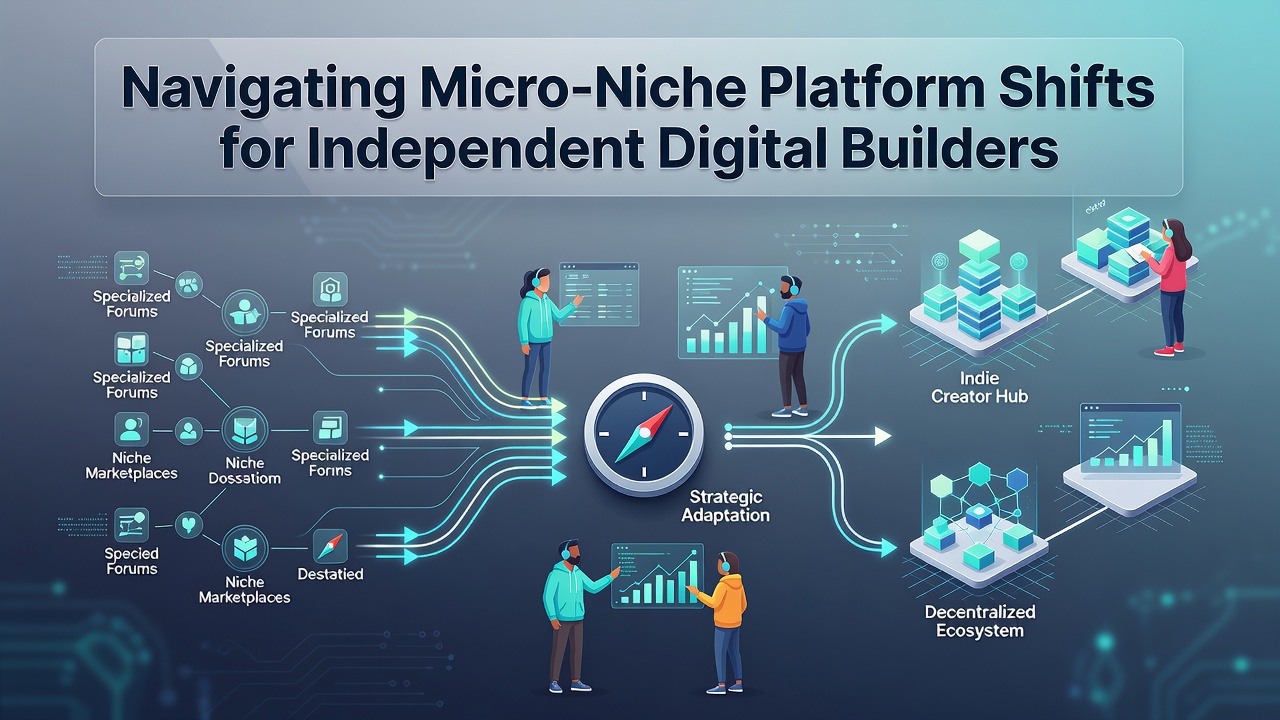
Builders maintain presence across multiple micro-niche environments rather than relying on a single platform, and this distribution strategy appears in project documentation from various independent operators. When one network alters its API access or monetization options, those with diversified setups can redirect resources without complete disruption. Analytics tools that aggregate data from several sources help track performance trends across these environments, allowing builders to identify which adjustments correlate with audience retention.
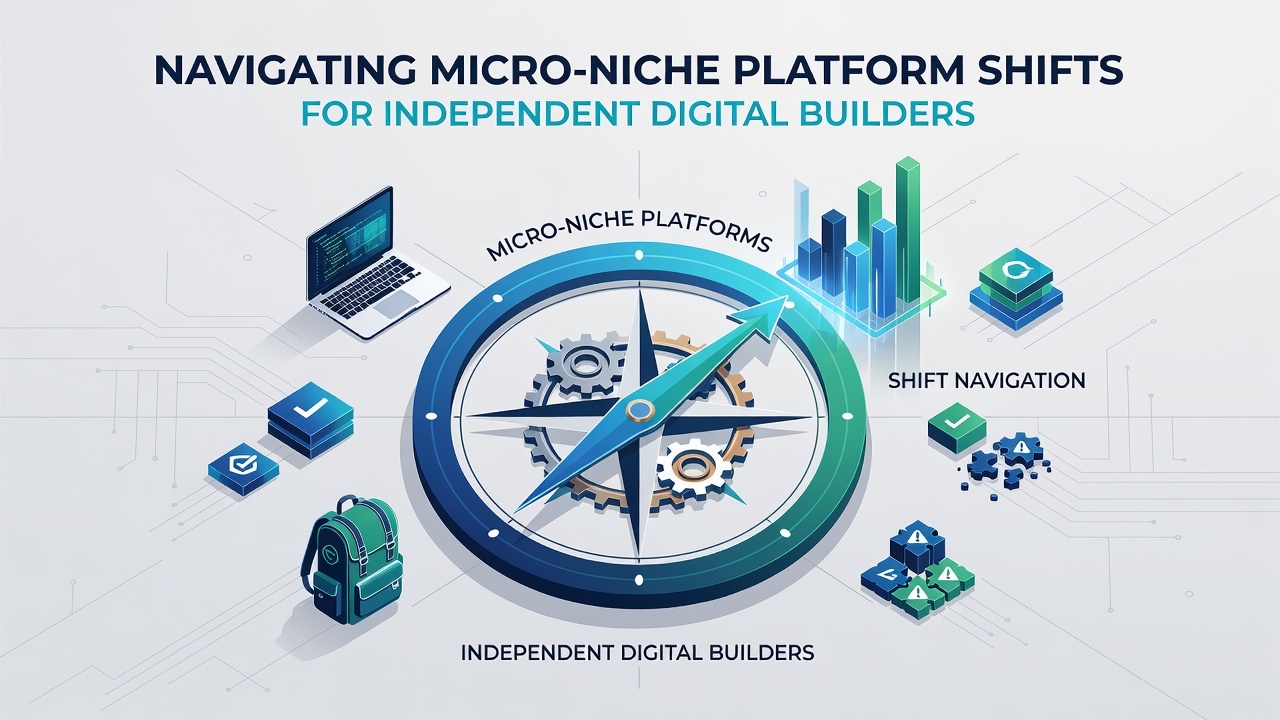
Content formats receive attention during shifts because platforms often favor specific media types after updates. Video clips and threaded discussions gained prominence on several specialized forums in October 2026 following changes that boosted interactive posts in recommendation feeds. Builders who maintain modular content libraries can repurpose material across formats without starting from scratch each time a platform modifies its display rules.
Monitoring and Response Mechanisms
Public changelogs and developer forums provide early indicators of upcoming modifications, and those who review these resources regularly document patterns in how updates roll out. Community-maintained repositories compile historical changes from multiple micro-niche platforms, offering reference points that help predict the scope of future adjustments. Builders who participate in these repositories contribute anonymized performance data that benefits the broader group while gaining access to collective insights.
Partnership models also evolve during platform transitions. Some networks introduce tiered access levels that require verified accounts or minimum activity thresholds, and independent operators who prepare documentation in advance meet these criteria without delays. Financial planning incorporates buffers for periods when revenue models change, such as shifts from subscription shares to performance-based payouts that several platforms implemented in 2026.
Conclusion
Platform shifts in micro-niche environments follow observable patterns driven by regulatory, technical, and economic factors that independent digital builders track through public data sources and community resources. Strategies centered on diversification, modular content, and proactive monitoring of policy updates enable continued operation as networks refine their systems. Records from October 2026 demonstrate that builders who integrate these approaches maintain audience connections across changing conditions without dependence on any single platform's stability.