Bianca Franke · 10 November 2026
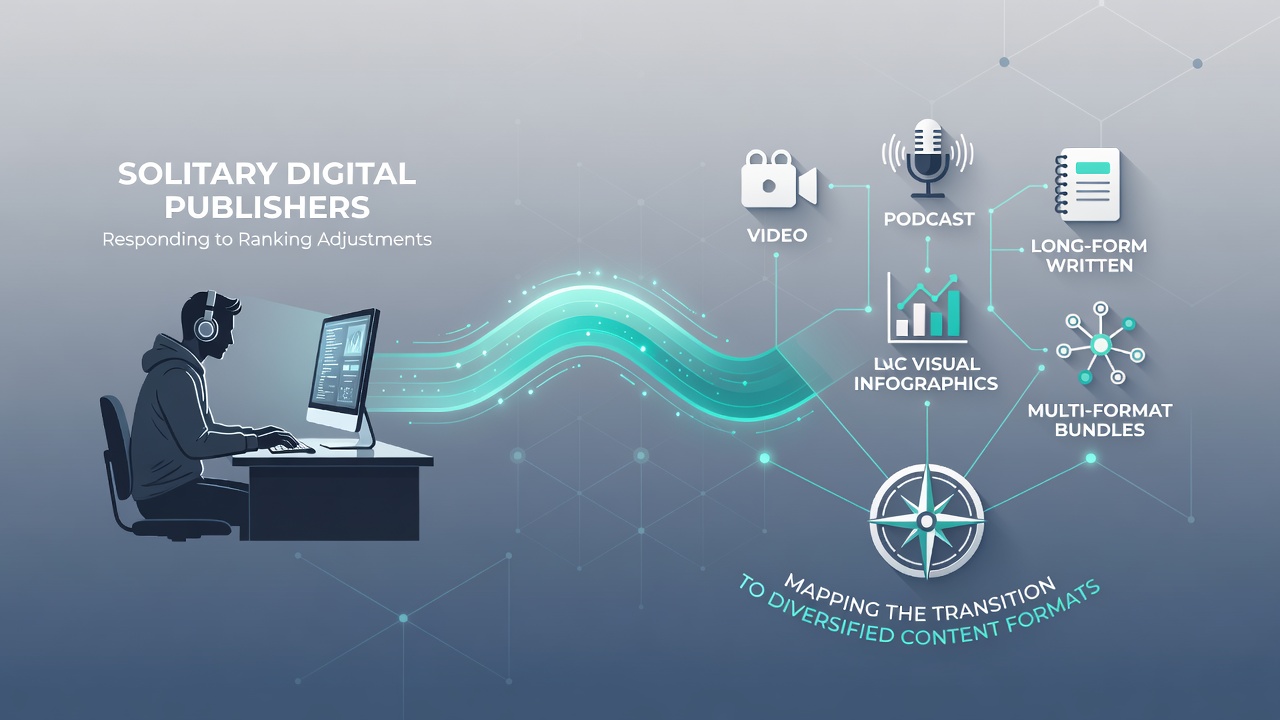
Mapping the Transition to Diversified Content Formats Among Solitary Digital Publishers Responding to Ranking Adjustments
Search engine ranking adjustments have prompted solitary digital publishers to explore diversified content formats beyond traditional text articles, and data from multiple industry reports shows measurable shifts in production priorities during 2025 and into November 2026. Researchers at academic institutions tracked how independent operators expanded into video clips, audio summaries, interactive charts, and email newsletters while maintaining core written material on their sites. These changes align with documented updates from major platforms that now evaluate user engagement signals across multiple media types rather than text depth alone.
Documented Shifts in Content Production Patterns
Studies conducted by research teams at European universities revealed that solitary publishers increased multimedia output by measurable percentages following the core algorithm refinements announced earlier in the decade. Operators who previously focused exclusively on long-form posts began embedding short-form video and audio elements, while others launched companion newsletters that delivered condensed versions of site content. Figures from government digital economy reports in Canada indicate that independent sites incorporating at least two additional formats experienced steadier traffic retention during evaluation periods compared with single-format operations.
One analysis from the Australian Communications and Media Authority highlighted how solitary publishers responded to ranking adjustments by testing podcast-style audio segments and interactive data visualizations. These formats allowed operators to capture attention from users who preferred listening during commutes or scanning visual summaries on mobile devices. The authority's sector overview noted that diversification occurred alongside adjustments in publishing schedules, with many publishers releasing content in staggered waves rather than daily text drops.
Role of Platform Evaluation Criteria
Platform documentation shows that ranking systems now incorporate dwell time, scroll depth, and cross-format completion rates when determining visibility. Solitary publishers examined these signals through available analytics tools and adjusted accordingly, moving portions of their output into video transcripts paired with original footage and audio narrations of key findings. Observers note that such adaptations helped maintain presence in search results even when pure text pages encountered fluctuations.
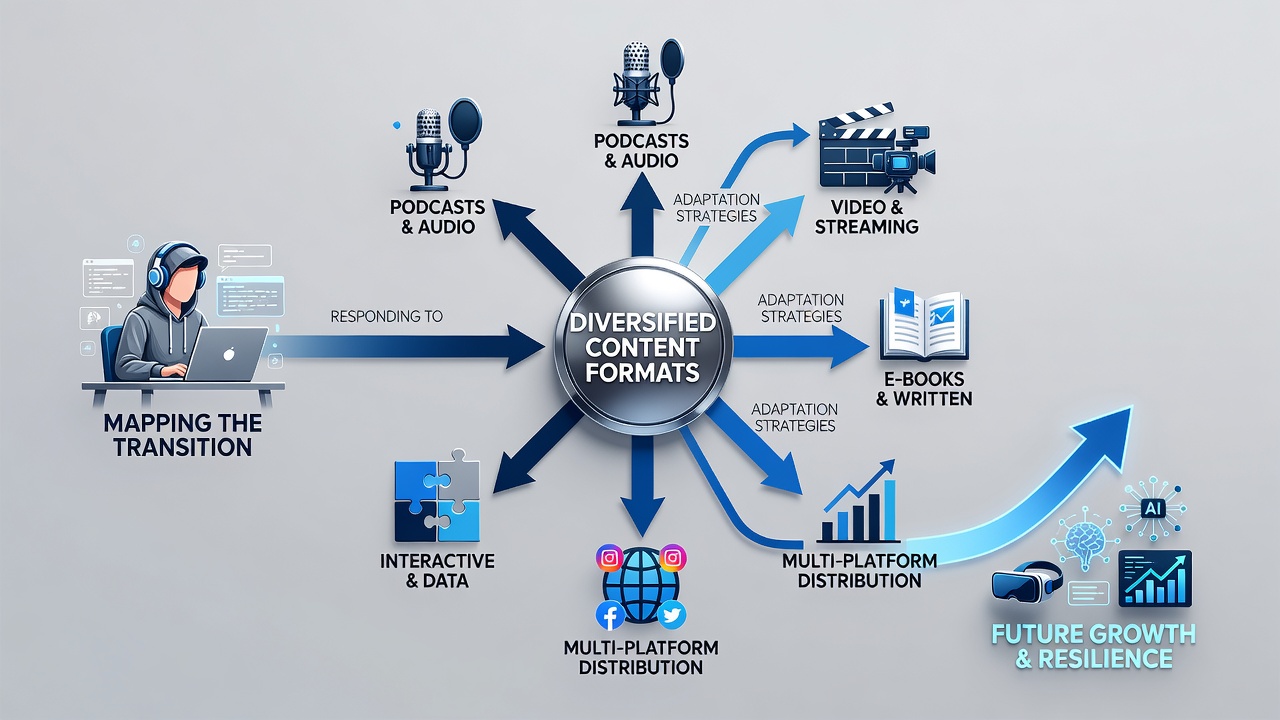
Those who've monitored independent site performance over multiple cycles report that formats such as embedded polls and downloadable resource packs gained traction because they generate additional engagement metrics. In November 2026, several solitary operators documented further experimentation with short vertical video clips designed for quick consumption, often linking back to deeper written analysis on their primary domains. These practices emerged after platform statements clarified that multi-format content could influence how pages are grouped and surfaced in results.
Geographic and Sector Variations in Adoption
Reports compiled by regulatory bodies across different regions illustrate uneven adoption rates. Canadian data pointed to stronger uptake of audio formats among publishers covering regional topics, whereas Australian figures showed greater emphasis on interactive maps and charts for educational content. European academic reviews found that solitary publishers in smaller markets often combined text with email newsletters to build direct audience channels that operated alongside search traffic.
Industry organizations tracking digital publishing trends recorded that operators who diversified early maintained more consistent referral patterns during subsequent ranking adjustments. Publishers cited the need to match evolving user preferences documented in annual digital news surveys, where audiences reported consuming information across multiple media types within a single session. This cross-format behavior encouraged solitary publishers to produce companion pieces rather than standalone articles.
Measurement and Adjustment Practices
Analytics platforms used by independent operators provided granular data on how different formats performed in search results. Publishers reviewed completion rates for videos, listen-through percentages for audio, and open rates for newsletters before deciding which combinations to sustain. Those patterns informed decisions about resource allocation, with many shifting production time toward formats that delivered supplementary signals without requiring full-time video crews.
External research from academic centers further indicated that solitary publishers tracked competitor format experiments through public site audits and adjusted their own mixes accordingly. The result has been a gradual layering of content types that coexist on the same domains, each serving distinct user pathways while feeding back into overall site authority metrics recognized by search systems.
Conclusion
The transition mapped across independent publishing operations reflects ongoing responses to ranking adjustments that now reward engagement across varied formats. Data from regulatory reports and academic studies continues to document how solitary publishers integrate video, audio, interactive elements, and newsletters alongside written content. These adaptations occur within the constraints of limited resources yet align with platform criteria that evaluate user interaction across media types. As evaluation methods evolve, the patterns observed through November 2026 suggest sustained experimentation with diversified formats among operators who track performance signals closely.